CURRI
Driver Onboarding
2025–2026
ANH TRAN — PRODUCT MANAGEMENT
SAMUEL KRATSAS — ENGINEERING
PERRY ZIPOY — ENGINEERING
A refreshed onboarding experience that improved completion rates.
The original onboarding flow was built for a user journey that had become less common over time. Through user research, we discovered that most drivers were downloading our app without ever visiting our website, which was where a very important segmentation fork lived. This caused gig and carrier drivers, who have very distinct needs, to be sent down the wrong path.
The old flow was also one long form, resembling unstyled HTML, with lots of radio buttons, little feedback or progressive disclosure. This impacted completion rates, in a time when we needed more drivers than ever.
Finally, we asked drivers to classify their own vehicles, which led to mismatches against our database and delivery complications downstream. We needed to set drivers up for success by helping them classify.



Gig and carrier drivers need different paths from the start.
Curri has two driver types: gig drivers using a personal vehicle, and carrier drivers managing a fleet. The old form made no distinction, which meant it was wrong for almost everyone in some way.
Surfacing driver type at step one let us create distinct flows for each driver persona. This case study follows gig drivers, but carriers also got a tailored experience.
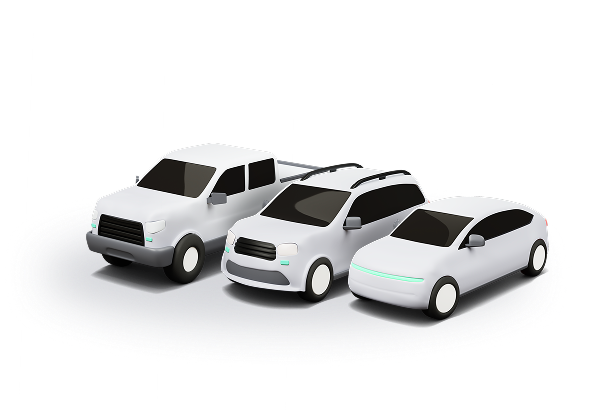
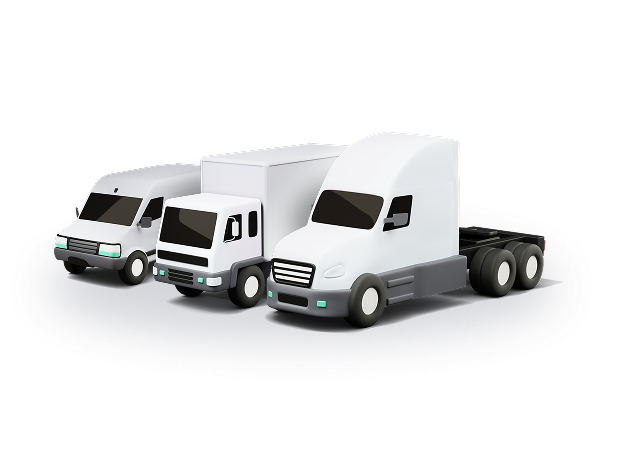
One task per screen.
Progressive disclosure turned a wall of inputs into a sequence of focused moments. Each screen earns the driver's attention by asking for exactly one thing.
Named steps and a visible progress bar gave drivers a sense of where they were and what was left. It turns out knowing where you are makes finishing feel possible.
Let's set up your profile
Tell us a little about yourself
Helping drivers classify their vehicles correctly.
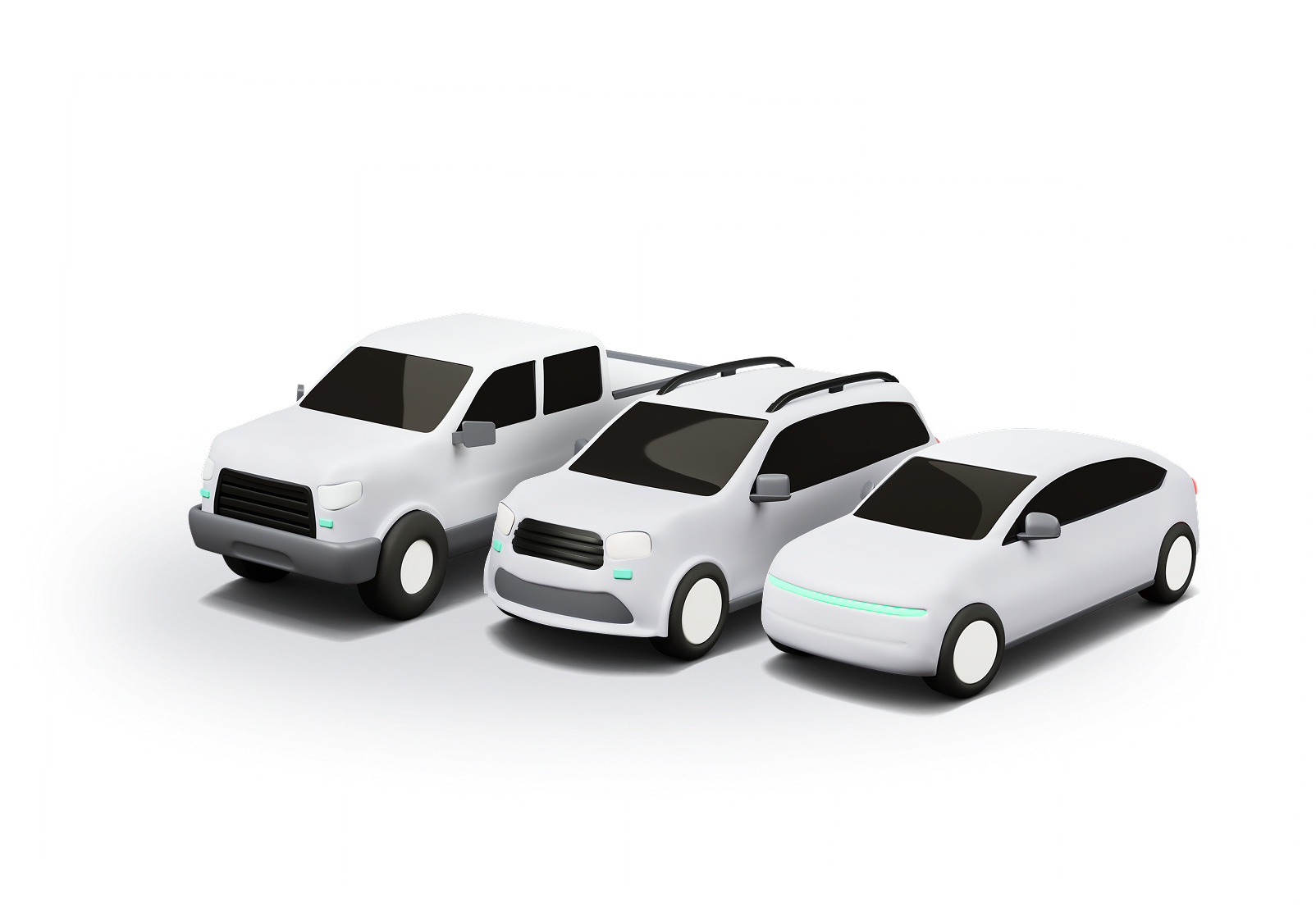
Vehicle mismatches were a recurring ops problem with a design cause. Drivers were asked to select their vehicle class from Curri's specific list of vehicles that map to our backend categories. Without that context, drivers often picked what seemed closest and were wrong within our system.
VIN scanning and automatic classification via our API made adding a vehicle make and model much nicer for drivers and more accurate for our system. Scan the VIN, we hit our API, and return the correct vehicle type according to our mapping.
your vehicle...
Make sure you have access to these items:
- Your vehicle's VIN number
- Photos of your vehicle
- Your vehicle's accessories like hitches, trailers, and pipe racks
Solve for the right problems, and the metrics follow.
Routing by driver type from step one cut the early confusion. Drivers got the right experience before they hit the first form field.
Progressive disclosure and visible progress reduced drop-off mid-flow. Onboarding completion improved after the redesign shipped.
VIN scanning took vehicle classification out of the equation for drivers. Our API returned the right vehicle type automatically, and mismatch errors went down.
The craft polish.
The little details that make the experience.